Understanding Psychometric Reports: A Comprehensive Analysis of Personality Assessments
By Talent Navigator
Published Dec 19, 2024
5 min read
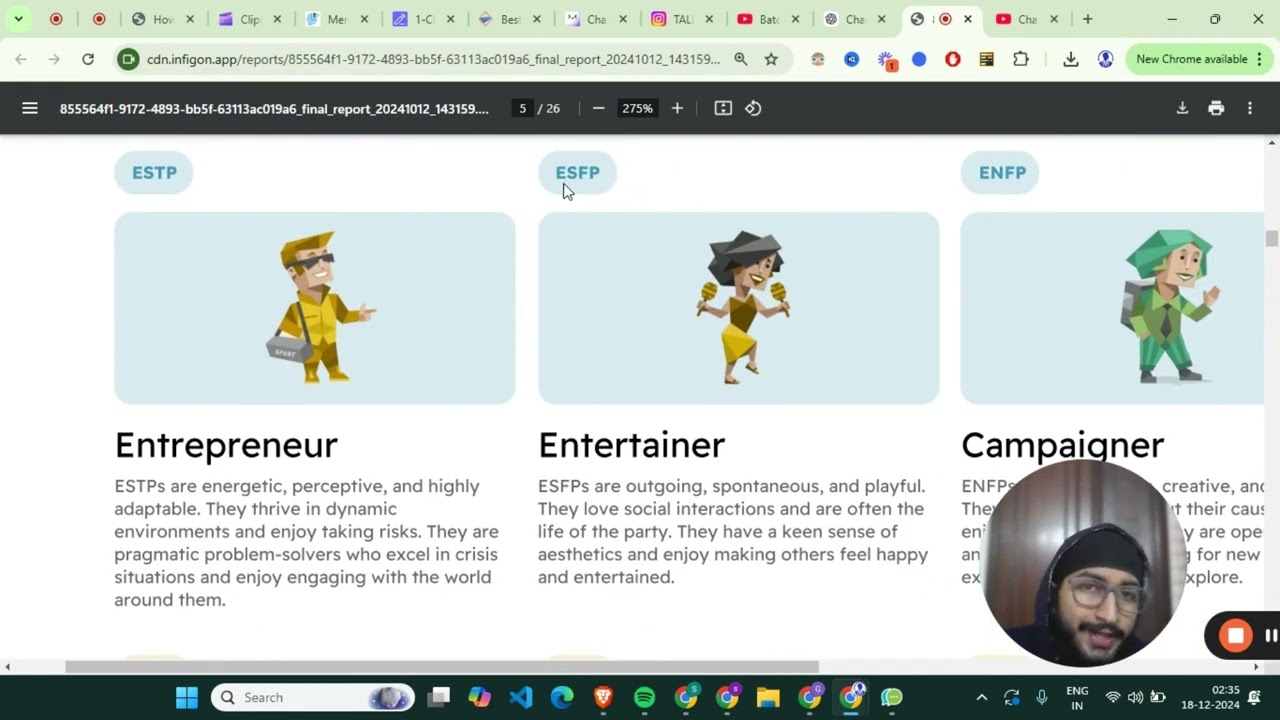
Psychometric assessments are invaluable tools that help individuals gain insight into their personal traits, preferences, and potential career paths. These reports are designed based on various psychological theories, enabling users to better understand their strengths, weaknesses, and motivations. This comprehensive article will provide an in-depth overview of psychometric reports, focusing particularly on the MBTI (Myers-Briggs Type Indicator) assessment and its implications for personal and professional development.
What is a Psychometric Report?
A psychometric report is generated after an individual completes a series of standardized tests that assess different psychological aspects. These reports can cover a range of topics, such as personality traits, interests, motivations, and learning styles. Essentially, psychometric reports provide individuals with a clearer roadmap to understand themselves better and make informed decisions regarding their careers.
Why are Psychometric Reports Important?
Psychometric assessments can significantly impact various areas of life, including:
- Career Guidance: Offers insights into which careers may align with an individual's personality and preferences.
- Personal Development: Helps individuals identify areas for growth and self-improvement.
- Interpersonal Relationships: Enhances understanding of how personal traits affect relationships at work and in personal life.
- Team Dynamics: In group settings, such insights can foster better collaboration and communication among team members.
WATCH NOW - Psychometric Report Analysis
Overview of the Psychometric Tests
The psychometric report discussed includes five tests designed to provide a holistic view of the individual’s traits and preferences:
- Personality Explorer Test
- Interest Explorer Test
- Career Motivators Test
- Emotional Intelligence Test
- Learning Styles Test
Test 1: Personality Explorer Test
The Personality Explorer Test, based on the MBTI assessment, categorizes individuals into one of 16 personality types. Developed by Isabel Briggs Myers and Katherine C. Briggs, the MBTI is founded on four key dichotomies:
- Extraversion (E) vs. Introversion (I): Defines how individuals recharge (through social interactions or solitude).
- Sensing (S) vs. Intuition (N): Focuses on how individuals process information (concrete realities or abstract concepts).
- Thinking (T) vs. Feeling (F): Relates to decision-making processes (logical analysis or personal values).
- Judging (J) vs. Perceiving (P): Pertains to lifestyle preferences (organized and planned versus flexible and spontaneous).
These dimensions help in understanding one's personality and how it relates to work styles, interpersonal relationships, and personal values. For example, an individual identified as an INTP (the Thinker) may thrive in environments that challenge their intellect and creativity.
Personality Types Overview
Here are a few examples of personality types and their characteristics:
- ISTJ (Inspector): Detail-oriented, practical, and dependable.
- ISFJ (Protector): Nurturing and compassionate, values tradition.
- INTJ (Architect): Strategic thinkers who thrive on intellectual challenges.
- ENFP (Campaigner): Enthusiastic and sociable, passionate about their causes.
Test 2: Interest Explorer Test
The Interest Explorer Test aids individuals in exploring their passions and curiosities. It sheds light on activities that resonate most with them, guiding selections for future careers or hobbies.
Test 3: Career Motivators Test
This test identifies an individual's driving forces and motivations toward their desired career paths. By understanding what propels them to work, individuals can align their work environments and roles accordingly.
Test 4: Emotional Intelligence Test
The Emotional Intelligence Test assesses an individual's ability to recognize and manage emotions—both their own and those of others. Higher emotional intelligence can lead to better interpersonal relationships and teamwork.
Test 5: Learning Styles Test
The Learning Styles Test uncovers preferred learning methods, whether visual, auditory, or kinesthetic. Knowing one’s learning style can facilitate more effective studying and training methods.
Utilizing Psychometric Reports for Career Development
Understanding the results of these tests can provide valuable insights into future career endeavors. For instance, someone with an INTP personality may excel in careers in:
- Technology and software development
- Academia and research
- Critical thinking and problem-solving roles
Famous figures like Albert Einstein and Abraham Lincoln exemplify qualities of this personality type, indicating a propensity for innovative thinking and complex problem solving.
Personal Growth Recommendations
To leverage the insights gained from these tests, consider the following growth strategies:
- Enhance Time Management: Avoid procrastination by implementing a structured approach to tasks.
- Improve Emotional Intelligence: Foster better understanding in interpersonal relationships through empathy and emotional awareness.
- Streamline Decision-Making: Avoid over-analysis to make timely and effective decisions.
Conclusion
In conclusion, psychometric reports serve as powerful tools for self-discovery and career alignment. Understanding your personality type and associated traits can inform both personal and professional decisions, empowering you to carve out a meaningful career path. By taking the time to explore these assessments, you pave the way for personal growth and a more fulfilling work life. If you are interested in taking psychometric tests, the resources can be easily found online to kick-start your journey towards self-understanding.
Feel free to comment below if you would like assistance in accessing these tests or learning more about specific personality types!


Comments
Post a Comment