TEST-5
Unlocking Career Potential: The Role of Learning Styles in Professional Development
By Talent Navigator
Published Dec 20, 2024
4 min read
Understanding your own unique learning style can significantly enhance your career trajectory. This article delves into the essential concept of learning styles, linking it to effective professional development and career optimization. We'll explore the different learning modalities—auditory, visual, reading/writing, and kinesthetic—as well as their applications in the workplace.
WATCH NOW- Understanding Learning Styles and Career Development 🎓
What Are Learning Styles?
Learning styles refer to the preferred ways in which individuals absorb, process, and retain information. Identifying your learning style can optimize your training programs, improve communication, and enhance collaboration within a team. The four primary learning styles include:
- Auditory: Learners who excel when information is communicated orally.
- Visual: Those who prefer visual aids and hands-on experiences.
- Reading/Writing: Learners who thrive on creating and consuming written content.
- Kinesthetic: Individuals who learn best through movement and hands-on interaction.
Understanding these styles is crucial for both personal growth and effective communication in professional environments.
The Applications of Learning Styles in Career Development
Understanding learning styles plays a pivotal role in several aspects of career development:
- Optimized Training Programs: Tailoring training to match learning styles can lead to improved outcomes.
- Enhanced Job Performance: Employees who engage with material in their preferred format are likely to perform better.
- Improved Communication: Recognizing the learning styles of team members fosters smoother information exchange and collaboration.
- Personalized Skill Development: Customizing professional development plans to align with individual strengths increases engagement and retention of information.
These benefits underscore the need for employees and employers alike to prioritize understanding learning styles within career planning.
Identifying Your Learning Style
To maximize your career potential, it's essential to assess your learning preference. Below are brief descriptions of the auditory learning style, one of the most common preferences:
Characteristics of Auditory Learners
Individuals with auditory learning preferences typically exhibit the following traits:
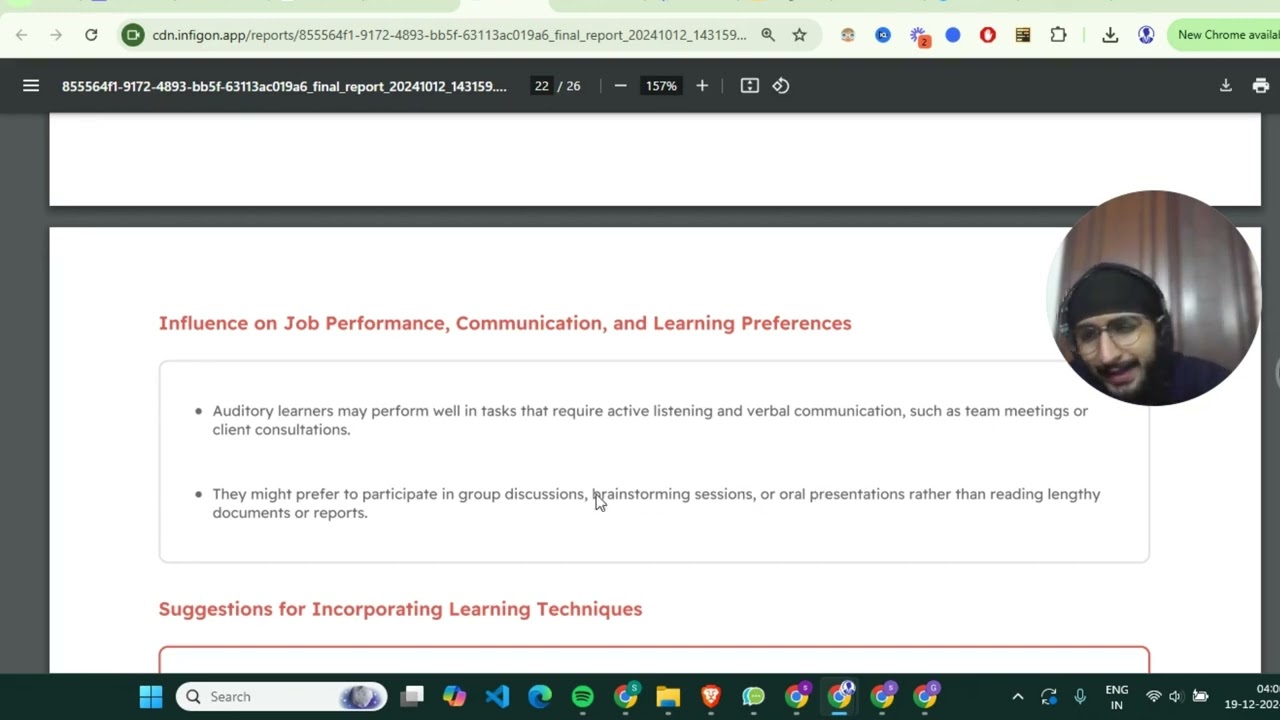
- Preference for Verbal Instructions: They tend to grasp concepts better through discussions and lectures rather than written material.
- Excellent Listening Skills: Auditory learners can retain spoken information effectively, making them great at engaging in debates and discussions.
- Struggle with Written Assignments: Long reading tasks can be challenging, and they may benefit from audio resources such as podcasts or audiobooks.
- Thriving in Interactive Environments: These learners perform best in group settings where they can engage verbally, such as team meetings or workshops.
Enhancing Career Performance Through Learning Style Optimization
Understanding one’s learning style not only aids in personal development but can also significantly enhance workplace performance. Here’s how auditory learners can leverage their strengths:
- Seek Roles Involving Verbal Communication: Careers in sales, public speaking, or customer service are ideal.
- Engage in Discussions: Participate actively in group brainstorming sessions and team meetings.
- Incorporate Audio Resources: Use podcasts and recorded lectures to supplement traditional learning materials.
- Practice Articulation of Ideas: Regularly express your thoughts during discussions to reinforce your learning and memory retention.
By proactively leveraging these strategies, auditory learners can effectively express their ideas and contribute more meaningfully in collaborative environments.
Conclusion
Recognizing and understanding your learning style can unlock tremendous potential in your career. By building on your strengths—be it auditory, visual, reading/writing, or kinesthetic—you can improve your performance, enhance communication, and foster better collaborations within your team.
Each learning style presents unique benefits and challenges. As you move forward in your career journey, consider how you can incorporate insights from learning styles into your daily work life.
What are your learning preferences? Knowing how to tailor your professional development in alignment with these preferences can lead to greater success in your career pursuits.
Discover your learning style today and take actionable steps towards a more fulfilling career path. If you’d like to explore learning styles further, don’t hesitate to seek out assessments and resources that can help you tailor your approach to career development and beyond.


Comments
Post a Comment