Diverse Career Paths: Utilizing DISC Personality Assessment for Professional Growth
By Talent Navigator
Published Jan 8, 2025
4 min read
Understanding oneself and others is key to navigating the diverse career paths available today. The DISC personality assessment offers profound insights into behavioral styles, which can be crucial for students, career switchers, and professionals looking to enhance their workplace interactions. This article will delve into the intricacies of the DISC assessment, the four personality types it encompasses, and how this understanding can boost personal and professional growth in the modern workplace.
What is the DISC Assessment?
The DISC assessment is a behavior evaluation tool inspired by the psychological theories of Dr. William Moulton Marston, developed in the 1920s. Unlike traditional psychological tests, this model focuses on behavioral traits rather than mental health diagnostics. It provides valuable insights into how individuals react to various situations, their interaction styles, and communication preferences. Today, the DISC assessment is widely employed in personal development, workplace optimization, and relationship enhancement.
The Four Major Personality Types in DISC
The DISC model categorizes personalities into four major types, each represented by a unique behavioral tendency:
Dominance (D)
- Animal Representation: Eagle
- Characteristics: Goal-oriented, assertive, competitive.
- Strengths: Leadership, quick decision-making.
- Weaknesses: Impatience and difficulty in delegating.
- Ideal Roles: Entrepreneur, CEO, or leadership positions.
Influence (I)
- Animal Representation: Peacock
- Characteristics: Sociable, enthusiastic, and engaging.
- Strengths: Excellent at motivating others and building relationships.
- Weaknesses: Easily distracted, struggles with organization.
- Ideal Roles: Public relations, sales, networking roles.
Steadiness (S)
- Animal Representation: Dove
- Characteristics: Loyal, dependable, calm under pressure.
- Strengths: Excellent team player and empathetic.
- Weaknesses: Resistant to change, conflict avoidant.
- Ideal Roles: Human resources, counseling, support roles.
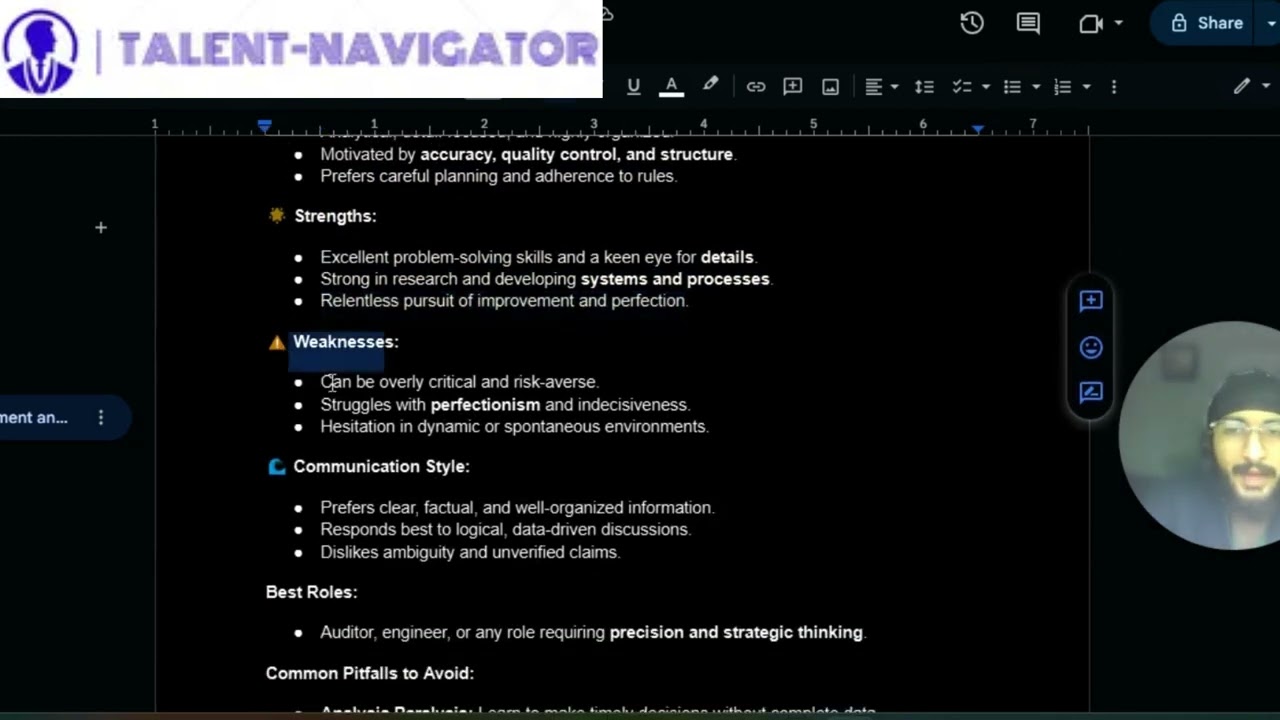
Conscientiousness (C)
- Animal Representation: Owl
- Characteristics: Analytical, detail-focused, organized.
- Strengths: Excellent problem-solving skills, keen eye for detail.
- Weaknesses: Risk-averse and may struggle with perfectionism.
- Ideal Roles: Auditor, engineer, roles requiring precision.
Leveraging the DISC Assessment in Your Career
Understanding the DISC personality types can significantly improve workplace dynamics and career trajectories. Here’s how:
Team Building and Productivity
By recognizing each team member’s DISC profile, leaders can assign tasks that align with individuals' natural strengths, optimizing performance and enhancing team synergy. This approach leverages diversity for maximum effect.
Conflict Resolution
Understanding differing communication styles can help diffuse misunderstandings. For instance, knowing that Dominance types tend to be direct while Steadiness types strive for harmony allows teams to foster a more cohesive atmosphere.
Leadership Development
Tailoring leadership strategies to fit individual profiles can inspire and motivate teams effectively. For example, a Dominance leader can benefit from collaborating with a Steadiness individual to balance decision-making with empathy.
Improving Personal Relationships with DISC
The insights from the DISC model extend beyond the workplace. They can also enhance personal relationships by clarifying communication styles:
- Dominance and Influence (D + I): High energy; may require more structure.
- Steadiness and Conscientiousness (S + C): Supportive but may struggle with spontaneity.
Effective communication based on personality types leads to healthier interactions. For instance, D types appreciate direct communication, while S types respond better to empathetic dialogues.
Personal Development Through DISC
The DISC assessment provides individuals the framework to pinpoint their strengths and areas for growth. Here are ways to utilize this knowledge for self-growth:
- D Types: Practice patience and active listening.
- I Types: Enhance focus and time management skills.
- S Types: Take more initiative and embrace change.
- C Types: Balance perfectionism with flexibility.
Emotional Intelligence in DISC
Enhancing emotional intelligence (EI) is crucial for all personality types as it fosters better interpersonal interactions and aids in understanding differing motivation drivers. Higher emotional intelligence complements the traits identified by the DISC assessment, thereby increasing personal and professional satisfaction.
Conclusion: The Value of Understanding DISC in 2025 and Beyond
The DISC personality assessment is more than a simple diagnostic tool; it’s a powerful framework for understanding human behavior and improving interpersonal dynamics. As we navigate through various career paths in 2025, leveraging insights from the DISC model will not only enhance communication but also drive personal fulfillment and professional advancement. By identifying individual strengths and tailoring behavior accordingly, both students and career switchers can find their place in a competitive job market.
Are you ready to explore your DISC personality type and unlock your potential? Join workshops, take assessments, and dive deeper into understanding how your behavioral traits can shape your career and relationships. Take the first step today!


Comments
Post a Comment