Exploring Holland's Career Development Model: A Pathway to Professional Fulfillment
By Talent Navigator
Published Jan 5, 2025
4 min read
Who Was John L. Holland?
John L. Holland was a prominent American psychologist and professor emeritus of Sociology at Johns Hopkins University, noted for creating a foundational theory in vocational psychology. He passed away on November 27, 2008, but left behind a legacy that continues to influence educational counseling and career development.
Holland’s experiences as a classification interviewer, test doctor, and psychological assistant all inspired his belief in distinct psychological types that individuals often embody. His approach stemmed from a blend of educational psychology and real-world observation, ultimately leading him to propose a typological framework that connects personality with vocational interests.
https://www.youtube.com/watch?v=YiFnJ4AvMNM&ab_channel=TalentNavigator
The Foundations of Holland's Theory
At its core, Holland’s theory simplifies the complexity of human behavior into six personality types, which are classified as follows:
- Realistic: Practical, hands-on problems solvers who enjoy working with tools and machinery.
- Investigative: Analytical thinkers who seek to explore and understand complex ideas or concepts.
- Artistic: Creative individuals who prefer self-expression and enjoy artistic environments.
- Social: Cooperative and nurturing individuals who strive to help others and build relationships.
- Enterprising: Persuasive individuals often drawn to leadership roles who enjoy taking risks.
- Conventional: Detail-oriented and methodical types who prefer structure and clear procedures.
Holland proposed that people's choice of work environment aligns with their personality type, enhancing job satisfaction and performance. For instance, an artistic person will thrive in environments that favor creativity, like a dance school, where artistic expression is appreciated.
Key Elements of the Holland Career Development Model
The Holland Model asserts that individuals tend to seek out work environments that match their personalities. The resulting compatibility can lead to higher job satisfaction and success. Let’s look at how this model is structured and applied in real-world scenarios:
Work Environments and Personality Types
Individuals who work alongside colleagues with similar personality types benefit from a compatible work atmosphere that values their inherent strengths. For example:
- Artistic Types: Work best in creative industries, such as entertainment or design.
- Investigative Types: Thrives in laboratories or research settings, where analytical skills are essential.
This alignment between personality and workplace promotes a positive environment where individuals can contribute effectively and find fulfillment in their roles.
Acquiring Methods in Career Development
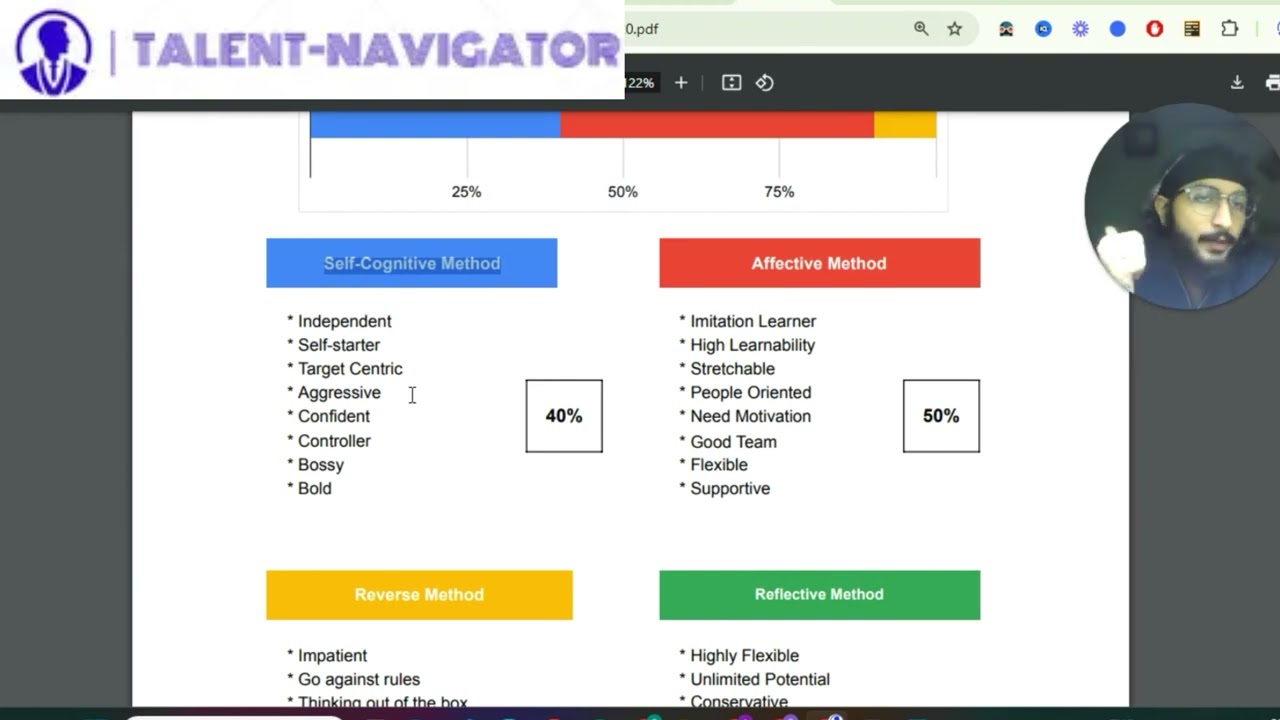
Holland emphasized four main acquiring methods essential for personal and professional development, each represented by a unique personality color:
- Self Cognition: Independent, target-centric individuals who often take the lead.
- Effective Method: People who learn through imitation and are adaptable, supportive, and flexible.
- Reverse Method: Creative rebels who think outside the box and prefer unstructured settings.
- Reflective Method: Flexible individuals with unlimited potential, requiring guidance and support.
Understanding these methods helps individuals identify their learning and engagement preferences, which in turn aids in selecting appropriate career paths.
Benefits of Aligning Career Choice with Personality
Choosing a career aligned with one’s personality type is crucial for various reasons:
- Enhanced Job Satisfaction: Working in a fitting environment promotes happiness and engagement.
- Improved Performance: Capacities shine brighter in spaces that prioritize one’s natural talents and preferences.
- Greater Longevity in Career: Individuals are less likely to experience burnout and more likely to develop in their fields.
Evaluating Career Options Through Holland’s Model
Using Holland’s model, individuals can evaluate various career options based on their personality types. By completing assessments, they can generate reports indicating potential fields of interest. Sample career options from different sectors might include:
- Medical: Caregiver or physician roles for those inclined toward social or investigative environments.
- Engineering: Suitable for realistic or conventional types who enjoy problem-solving.
- Arts: For artistic types, career options might range from graphic design to performing arts.
Conclusion: Applying Holland’s Career Development Model
Holland’s career development model serves as a bridge connecting distinct personality traits to suitable working environments. Understanding this connection helps individuals navigate their career choices more effectively, leading to enhanced job satisfaction and fulfillment. Given the complexities of modern career landscapes, leveraging such frameworks is vital for both personal growth and organizational success.
Exploring your career path has never been more accessible. If you’re ready to discover your ideal work environment based on your personality, seeking guidance from a career counselor can be an excellent starting point. Embrace the journey ahead—your ideal career awaits!


Comments
Post a Comment