Unlocking the Secrets of Attention: 5 Cognitive Biases That Control Your Focus
By Talent Navigator
Published Jan 13, 2025
4 min read
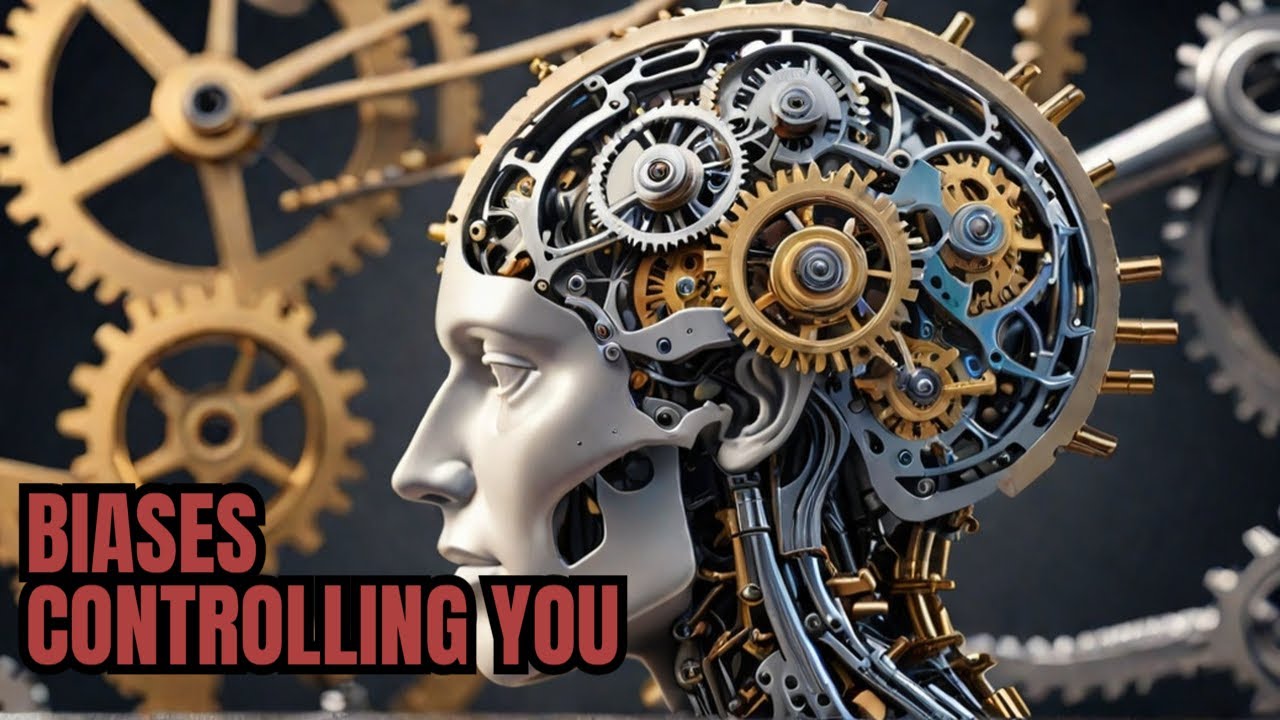
Attention is a cornerstone of human cognition, crucial for enabling us to focus on relevant information while filtering out distractions. By understanding how our brains prioritize and process information, we can gain insights into the cognitive biases that shape our perceptions and decisions. This article delves into five significant cognitive biases and theories of attention that influence our engagement with the world around us.
The Role of Attention in Cognition
Attention serves as a critical mechanism for managing the vast amount of information we encounter daily. From early selection models to modern neural recordings, attention theories offer glimpses into how we prioritize stimuli. Understanding these concepts is vital, as our attention is often governed by biases that can influence our judgments and actions.
1. Broadbent’s Filter Model
Developed by Donald Broadbent in 1958, the filter model suggests that attention acts as a bottleneck. According to this model, information enters through sensory channels and is filtered based on physical characteristics like pitch and volume before any semantic processing occurs. For instance, imagine standing in a crowded airport terminal and focusing on finding your gate while ignoring unrelated flight announcements. This filtering mechanism ensures that only relevant stimuli reach higher cognitive states.
2. The Cocktail Party Effect
While Broadbent’s model was revolutionary, it struggled to explain phenomena such as the cocktail party effect. In this scenario, a person can suddenly focus on hearing their name amidst a sea of background noise, demonstrating that significant stimuli can capture attention even without direct focus. This effect highlights the brain's ability to process relevant information unconsciously, revealing our susceptibility to attention biases that prioritize personally meaningful cues.
3. Filter Attenuation Theory
In 1964, Anne Treisman modified Broadbent’s ideas with the filter attenuation theory. Instead of completely blocking out irrelevant stimuli, this model suggests that the filter attenuates their strength. Emotional relevance or important cues can bypass the filter, grabbing our attention. Picture tuning a radio to one clear station while still hearing faint signals from others; similarly, our attention system allows some non-relevant sounds to surface theoretically, influencing our thoughts and actions.
4. Late Selection Model
The late selection theory posits that all sensory inputs are processed for meaning before filtering occurs. Proposed by Deutsch and Deutsch, this model suggests that attention filtering happens later in response selection rather than at the point of initial processing. For example, if you overhear the phrase "free coffee" at a busy café, your brain may prompt a reaction in response to that enticing offer, regardless of whether you were initially paying attention. This shows how even unattended information can influence our decisions based on inherent biases.
5. Top-Down vs. Bottom-Up Attention
Understanding the distinction between top-down and bottom-up attention is vital to grasp how we engage with our surroundings:
- Top-Down Attention: This goal-driven process relies on prior knowledge, expectations, and intentions. It allows us to deliberately direct focus toward specific objectives. For instance, searching for your friend in a crowded space by looking for their bright red jacket showcases this type of attention.
- Bottom-Up Attention: In contrast, bottom-up attention is involuntary and is triggered by salient features in the environment. A loud bang on the street can immediately capture your attention, regardless of your current focus.
These two systems often work in tandem; however, salient stimuli can override goal-directed focus when necessary, further illustrating how attention bias can dynamically control our cognitive processes.
Divided and Selective Attention
Selective attention permits us to concentrate on a particular stimulus while ignoring distractions, often exemplified by the cocktail party effect, where individuals can maintain concentration on one conversation amidst chatter. Research like dichotic listening tasks shows that people process attended auditory channels more profoundly; however, unattended information is not entirely lost but somewhat processed.
On the other hand, divided attention refers to distributing focus across multiple tasks. For example, attempting to text while driving can lead to decreased performance on both tasks due to cognitive limitations. This illustrates the costs associated with divided attention and the biases that push us towards multitasking, often counterproductively.
Conclusion
The cognitive biases that govern our attention play a significant role in shaping our perceptions, interactions, and decisions. By recognizing the mechanisms behind our attention systems—ranging from Broadbent’s filter model to the interplay between top-down and bottom-up processes—we empower ourselves to harness these insights effectively. As we navigate an increasingly distracting world, understanding how these biases influence our behavior becomes essential for making more informed decisions and enhancing our focus.
Armed with this knowledge, it's time to reflect on your everyday interactions. Are you consciously aware of what biases may be influencing your attention and decision-making? Exploring strategies to enhance your focus can lead to a more intentional and mindful way of engaging with information.


Comments
Post a Comment