Enhancing Your Understanding of Fluid and Crystallized Intelligence
By Talent Navigator
Published Apr 20, 2025
4 min read
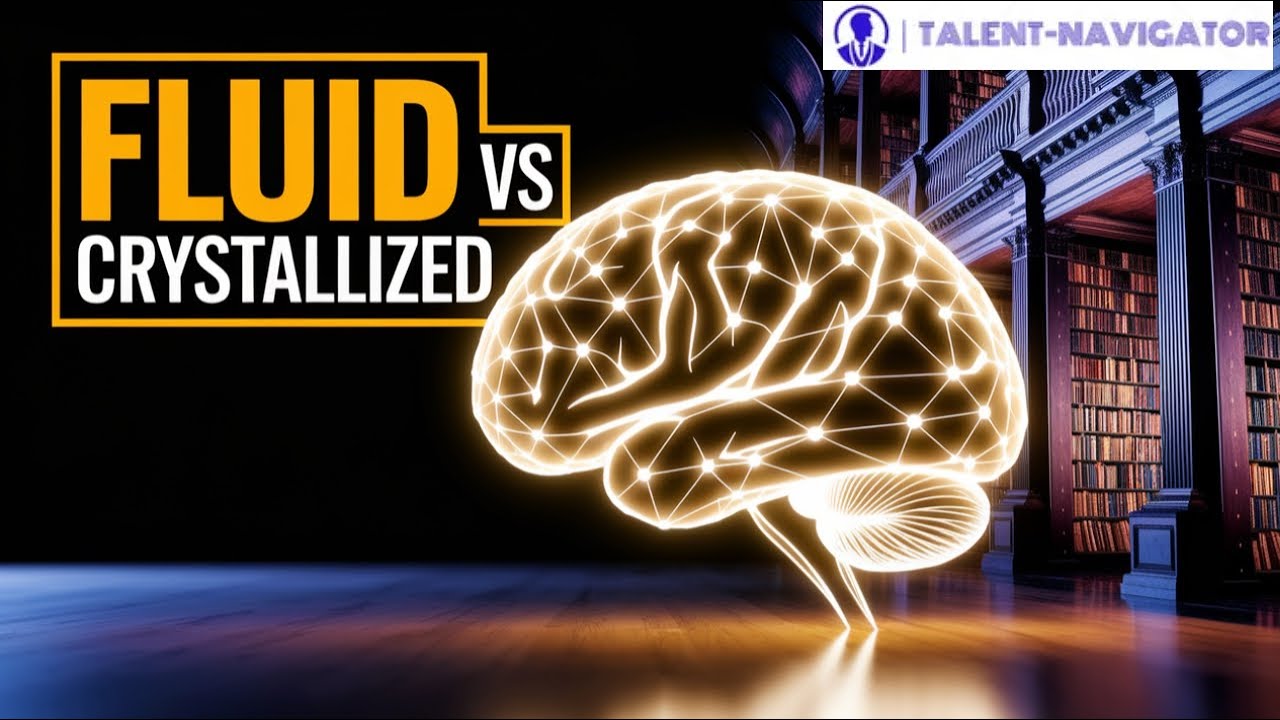
Understanding the intricacies of human intelligence is fundamental, not only for psychological research but also for personal development. Two key types of intelligence—fluid and crystallized—constitute the basis of our cognitive abilities. In this article, we will delve deeply into these concepts, explore how they relate to memory, and discuss their implications in everyday situations.
What is Fluid Intelligence?
Fluid intelligence refers to the capacity to solve new problems and think logically without relying on previously acquired knowledge. This type of intelligence is crucial for tasks that require flexible reasoning and quick adaptation to unfamiliar situations. It is primarily governed by the brain's central executive system, which coordinates the functions of working memory components.
Key Characteristics of Fluid Intelligence
- Adaptability: The ability to adjust reasoning in novel situations.
- Problem-Solving: Using logic and reasoning to tackle abstract concepts.
- Short-Term Memory Interaction: Fluid intelligence interacts with working memory to process and manipulate information actively.
Components of Fluid Intelligence
- Phonological Loop:
- Responsible for storing and manipulating auditory verbal information.
- Examples: Learning new languages or memorizing phone numbers.
- Visual-Spatial Sketch Pad:
- Aids in solving spatial reasoning problems and navigation tasks.
- Important for visual memory and facial recognition.
- Episodic Buffer:
- Integrates various types of sensory information from the environment.
- Connects working memory to long-term storage, promoting adaptability.
What is Crystallized Intelligence?
Crystallized intelligence encompasses the knowledge and skills that an individual has accumulated over time, such as vocabulary and general knowledge. This type of intelligence relies heavily on past experiences and information that has been learned, and it is often used to inform decisions and guide actions.
Key Characteristics of Crystallized Intelligence
- Knowledge Retention: Involves utilizing stored information and patterns.
- Cognitive Task Application: Used in situations that require reasoning based on established knowledge.
- Learning from Experience: Builds upon previous learning to enhance understanding and skill.
Components of Crystallized Intelligence
- Language Processing:
- Reflects existing vocabulary and grammar rules.
- Essential for effective communication and cognitive tasks.
- Short-Term Memory:
- Plays a pivotal role in storing and retrieving information from prior experiences.
- Visual Semantics:
- Relies on prior knowledge to interpret shapes, objects, and images.
- Useful in creating meaning from visual inputs based on learned experiences.
The Role of Working Memory in Intelligence
The relationship between fluid and crystallized intelligence is deeply rooted in how the brain processes information through working memory. Here’s how each element contributes:
- Central Executive: Oversees and directs the processing of both types of intelligence by coordinating the different components of working memory.
- Phonological Loop: Acts as a dynamic system for handling verbal information, essential for maintaining fluid intelligence during language tasks.
- Visual-Spatial Sketch Pad: Facilitates problem-solving in visual contexts.
Fluid vs. Crystallized Intelligence: A Comparative Overview
| Aspect | Fluid Intelligence | Crystallized Intelligence |
|---|---|---|
| Nature | Involves reasoning and solving novel problems | Involves accumulated knowledge and skills |
| Dependence | Less reliant on previous knowledge | Heavily reliant on prior knowledge |
| Components | Central executive, phonological loop, and visual-spatial sketch pad | Language processing and visual semantics |
| Flexibility | Highly flexible, adapting to new situations | More rigid, based on learnt skills |
Importance of Understanding these Intelligences
Understanding the nuances of fluid and crystallized intelligence equips individuals with the knowledge needed to enhance cognitive abilities. Here are relevant benefits:
- Improved Memory: By acknowledging these types of intelligence, you can adopt strategies to boost memory retention and retrieval.
- Enhanced Problem-Solving: Greater awareness of how both intelligences function can lead to improved skills in adapting to complex situations.
- Tailored Learning Approaches: This understanding helps in choosing the right learning strategies—whether one needs to focus on expanding knowledge (crystallized) or enhancing adaptability and reasoning skills (fluid).
The integration of both fluid and crystallized intelligence is pivotal in personal and professional life. They represent how we learn from experiences and apply that knowledge to navigate the world effectively.
In conclusion, while fluid intelligence enables us to tackle new challenges flexibly, crystallized intelligence provides the foundational knowledge necessary for informed decision-making. Understanding the interplay between these two types of intelligence can significantly aid in personal growth and effective learning.
Are you ready to enhance your cognitive abilities? Explore interactive tools and resources that strengthen both fluid and crystallized intelligence, paving the way for success in your personal and professional life!


Comments
Post a Comment