Dopamine vs. Endorphins: Understanding the Science of Wanting and Liking
By Talent Navigator
Published May 7, 2025
5 min read
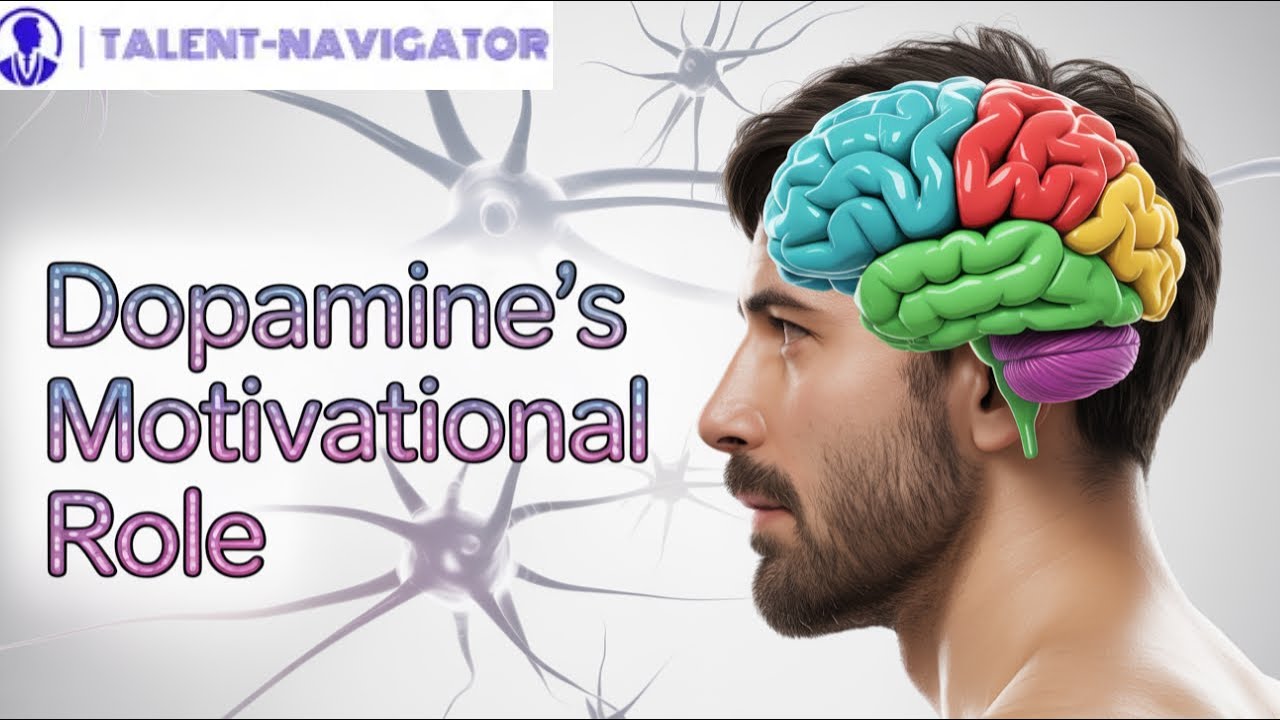
Understanding the complex interplay between wanting and liking is central to our motivation and behavior. This blog delves into the roles of dopamine and opioids, uncovering how these neurochemicals influence not only our desires but also the satisfaction we derive from our experiences. By exploring these concepts, we can gain valuable insights into our actions and the decisions we make every day.
The Differentiation Between Wanting and Liking
When discussing motivation, it is essential to distinguish between two critical concepts: wanting and liking.
- Wanting: This refers to the desire or motivation for a reward, primarily linked to dopamine pathways in the brain. Dopamine is often seen as the driving force behind our actions when pursuing goals.
- Liking: In contrast, this relates to the pleasure or hedonic value associated with a reward and is connected to endogenous opioids, brain chemicals similar to opiates like morphine. Liking represents the enjoyment we feel upon achieving something.
While wanting drives us towards a goal, liking is the satisfaction derived upon achieving that goal. Understanding this duality can profoundly impact how we perceive our motivations and experiences.
The Role of Dopamine in Motivation
Dopamine plays a crucial role in how we encode and pursue motivational behaviors. It signals when our actions are directed toward anticipated rewards. This signaling is vital in learning processes and operant conditioning, where behaviors are reinforced through rewards.
Key Functions of Dopamine Include:
- Reward Processing: Dopamine is integral to reward-seeking behaviors. It encodes the desirability of a goal, influencing how much effort we are willing to exert to attain it.
- Behavioral Reinforcement: It helps us learn which behaviors lead to rewards, thus reinforcing those actions through the creation of positive habits.
- Motivation Enhancement: High dopamine levels correlate with increased motivation, making an individual more willing to work hard for a desired outcome.
The Ventral Tegmental Area (VTA) and the Substantia Nigra (SNc) act as critical hubs for dopamine production. Their connection to the nucleus accumbens, a brain area crucial for motivation processing, amplifies this relationship.
The Endorphins and Their Impact on Liking
While dopamine drives the action (wanting), endorphins enhance the pleasure we gain from that action (liking). Endorphins are produced naturally in the body and function as natural painkillers and stress relievers.
Key Roles of Endorphins Include:
- Pleasure Enhancement: When we experience something pleasurable, endorphin release contributes to feelings of joy and satisfaction, reinforcing behaviors by enhancing the desire to engage in those actions again.
- Stress Management: Endorphins also help mitigate stress and pain, creating a more positive emotional state that supports continuous engagement in rewarding activities.
The relationship between dopamine and endorphins is mutually beneficial. Dopamine pushes us to pursue rewards, while endorphins encourage us to relish the outcomes, creating a loop of motivation and satisfaction.
The Interplay in Operant Conditioning
Understanding how these two neurochemicals interact within the framework of operant conditioning provides further insight
Homing in on key theories and hypotheses:
- The Incentive Hypothesis of Dopamine suggests that dopamine signals how much an animal wants a particular outcome, reflecting the strength of motivation behind the action.
- The Incentive Savings Hypothesis proposes that depletion of dopamine diminishes one’s motivation, showcasing how crucial dopamine is for maintaining desire.
This interaction not only shapes how we remember our past behaviors but also influences our capacity for learning. Through positive reinforcement, individuals learn to repeat behaviors that yield satisfying outcomes.
Applications of Understanding Wanting vs. Liking
Recognizing the distinction between wanting and liking can enhance various aspects of daily life, including:
- Personal Development: By understanding our own motivations, we can set clearer goals that align with what we truly desire versus just what feels good.
- Work Productivity: Knowing how to engage our motivational triggers can improve our work ethic and overall productivity.
- Relationship Building: Insights on how we express liking can lead to more fulfilling interpersonal relationships, as we learn to communicate appreciation for positive behaviors.
Practical Tips:
- Reflect on your goals: Are they driven by genuine desire or simply the gratification of achievement?
- Engage in activities that genuinely produce pleasure: Identify experiences that bring you true joy, as these are essential for reinforcing positive behavior patterns.
Conclusion
The themes of wanting and liking underscore a fundamental aspect of human behavior—our quest for motivation and pleasure. By understanding the critical roles dopamine and endorphins play in this dynamic, we can develop better insights into our behaviors, refine our goals, and foster a more positive approach to achieving them.
As we learn to navigate our desires more consciously, we open ourselves to a richer array of life experiences, driven not just by dopamine's push but also by the joyous embrace of endorphins’ pleasure. Embrace this awareness to enhance your personal growth and satisfaction in life!


Comments
Post a Comment