Understanding the SOA Experiment: Insights on Reporting Accuracy and Tone Processing Delays
By Talent Navigator
Published May 3, 2025
3 min read
The SOA Experiment Overview
The SOA Experiment consisted of two primary experiments that compared the reporting accuracy for letters and the processing delay of tone interpretation. The significance of this study lies in how it reveals the cognitive load associated with these tasks.
Experiment One: Letter Reporting Accuracy
In the first phase of the experiment, participants were tasked with reporting a series of letters. Key findings included:
- Higher Accuracy with Fewer Letters: The report demonstrated a notable trend where accuracy improved significantly when fewer letters were presented. This suggests that cognitive resources are maximized when the amount of information is limited.
- Inferential Processing: The accuracy in reporting increased further when tone inferencing was at its peak, indicating that participants relied more on the tone information when the complexity of the letter reporting task increased.
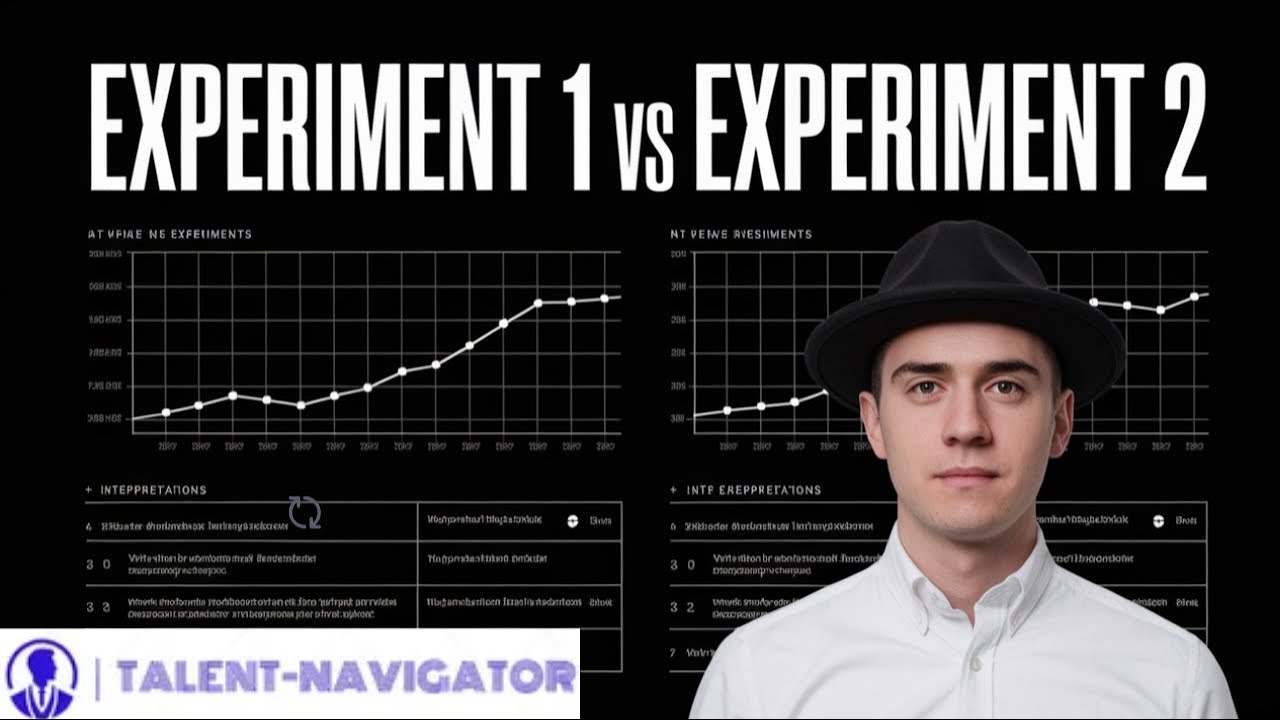
The graph that accompanied this segment outlined the proportion of correct responses based on the number of letters presented. Higher accuracy was reported when participants had to interpret three letters compared to one, which unexpectedly resulted in lower accuracy rates under increased cognitive load due to tone processing.
Experiment Two: Tone Processing Delays
The second experiment revolved around understanding the delays in tone processing when letters were reported first versus when tone was prioritized.
- Tone Processing Unaffected by Letter Reporting: Interestingly, the results indicated that tone processing delays were not adversely affected by the letter reporting tasks when tone was introduced initially. This means that tone recognition can operate independently of how many letters need to be processed subsequently.
- Order of Tasks: A crucial insight from this experiment was the difference in performance based on the order of tasks. When tone was processed first, there were no significant delays in letter reporting compared to instances where letters were reported first. This suggests a cognitive benefit in prioritizing tone recognition, which can streamline communication efforts.
Conclusion of the Experiments
Overall, these experiments point to a complex interaction between letter processing accuracy and tone interpretation delays, highlighting several implications for effective communication:
- Prioritize Tone: In scenarios that require quick communication, particularly in customer support or presentations, prioritizing tone could enhance overall effectiveness.
- Limit Information Load: Reducing the amount of information to be processed simultaneously can enhance accuracy, particularly in high-stakes environments where communication clarity is paramount.
- Optimize Task Orders: Structuring communication tasks to begin with tone processing may decrease delays and improve reporting accuracy, leading to more effective exchanges in both professional and personal contexts.
Call to Action
Understanding the SOA findings can transform how professionals engage in verbal communication. Consider reviewing your communication strategies and see if prioritizing tone and lifting the load of information can enhance your effectiveness. To delve deeper into effective communication strategies and their applications, stay tuned as we further explore this topic!


Comments
Post a Comment